Tidal Marsh Habitat Restoration Education
In Spring 2021, SFBBO worked with the Sea Level Sluggers, a team of 5 students from San Jose State University taking a class on climate change. The Sea Level Sluggers created a “Slow the Flow” PSA and a series of social media posts called Tidal Marsh Tuesdays to discuss the impact of sea level rise on local marshes.
Thank you to the Sea Level Sluggers: David Glenday, Olivia Kramer, Garek Lee, Shila Malizia-Torres, and Leah Meza!
Welcome to Tidal Marsh Tuesday by the Sea Level Sluggers! We are 5 students from San Jose State University taking a class on climate change. We discuss the impact of sea level rise due to climate change on local marshes. In this first post, we are discussing the current state of marshes. 
Industry and development around the SF Bay over the last 150 plus years has greatly reduced the presence of healthy wetlands. 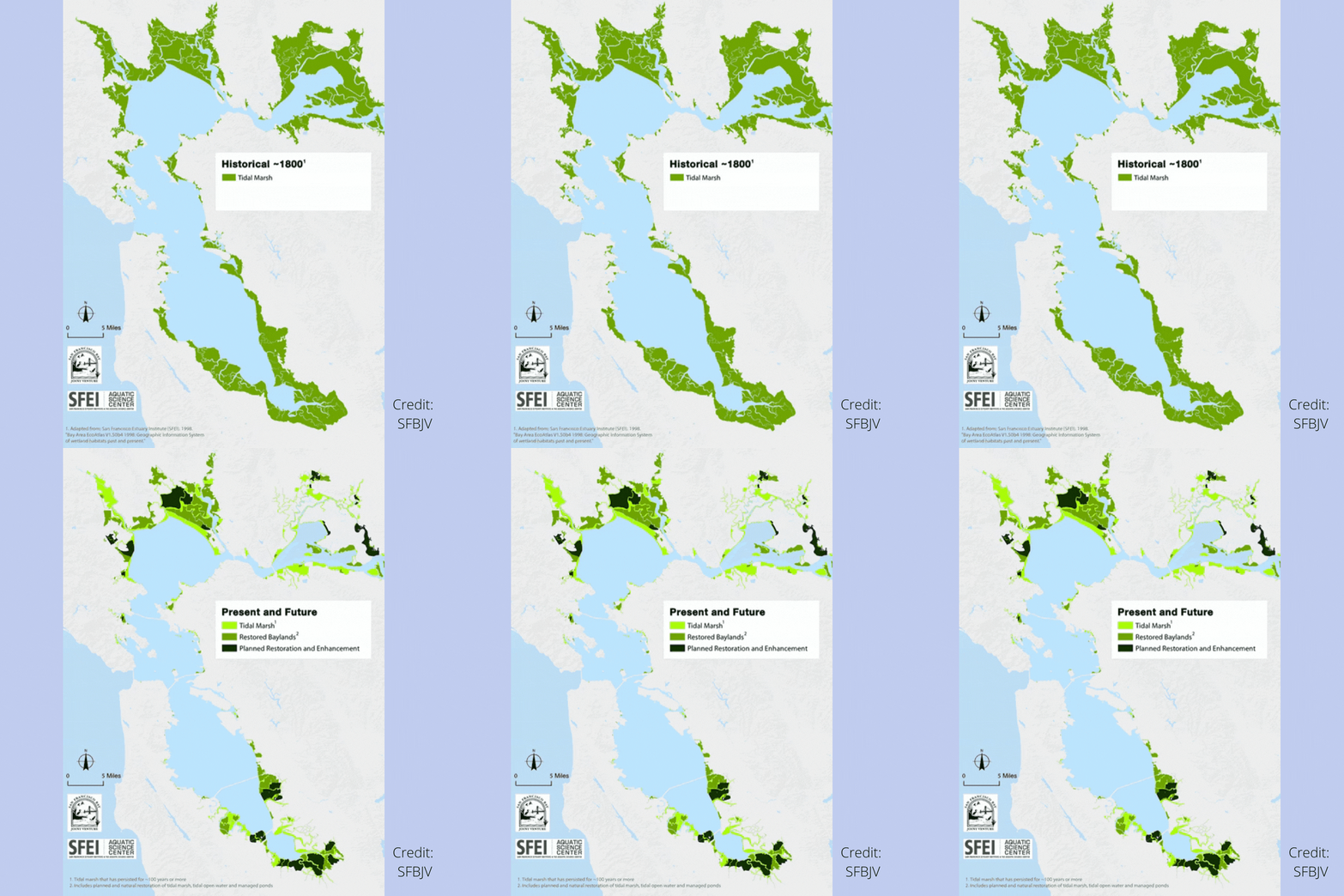
This interactive map created by the San Francisco Bay Joint Venture shows how human activities have greatly reduced the wetlands ecosystem. 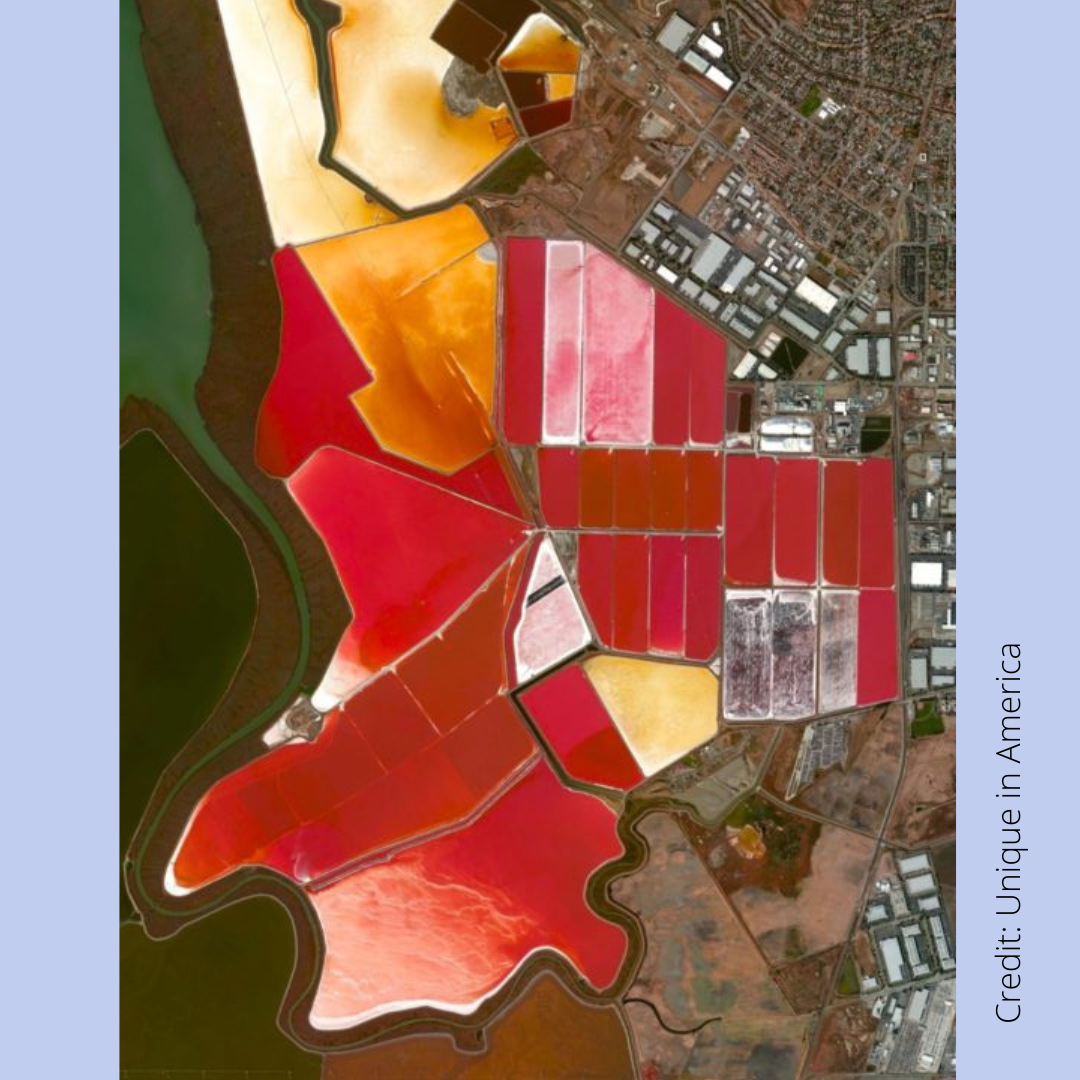
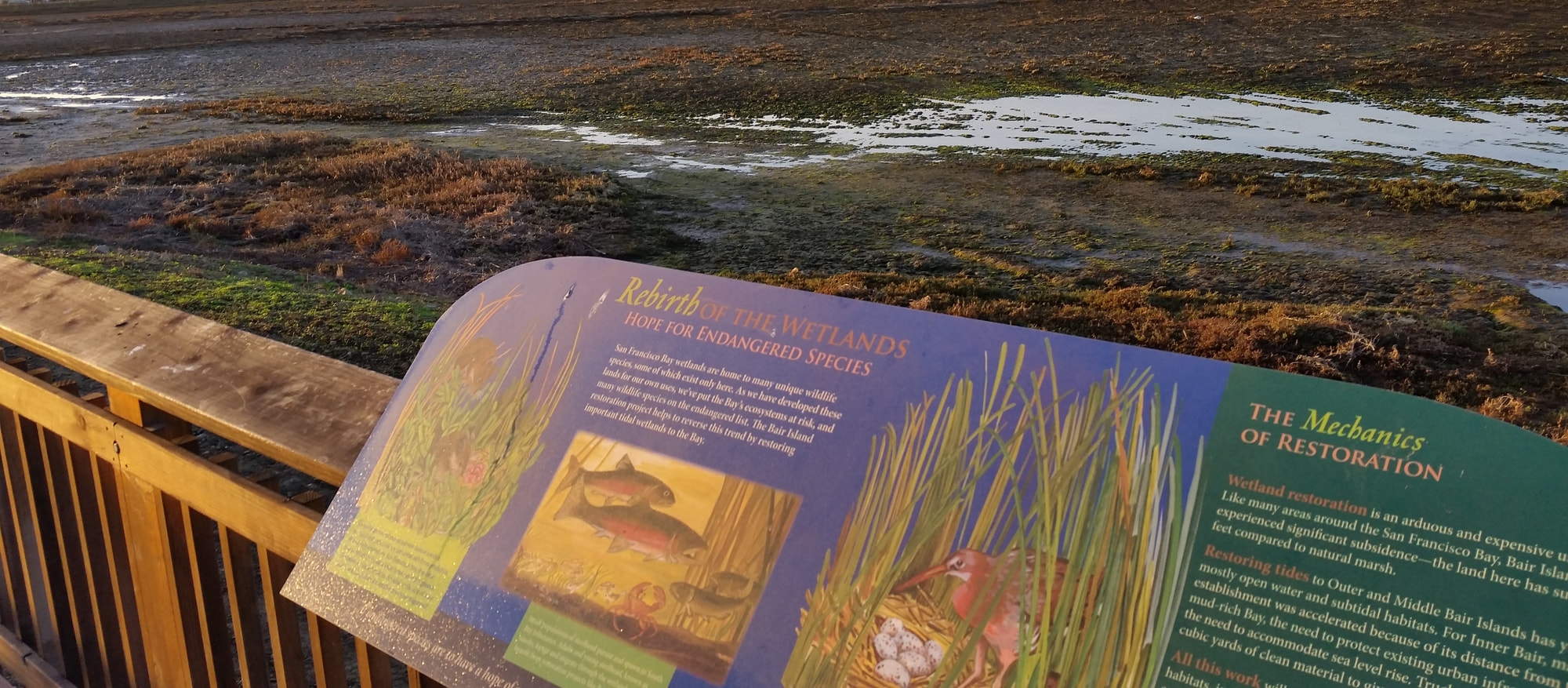
Salt ponds west of Newark, CA. The creation of salt evaporation ponds damaged the natural wetland ecosystem.
The Sea Level Sluggers discuss the challenges marshes will face as the sea level rises. 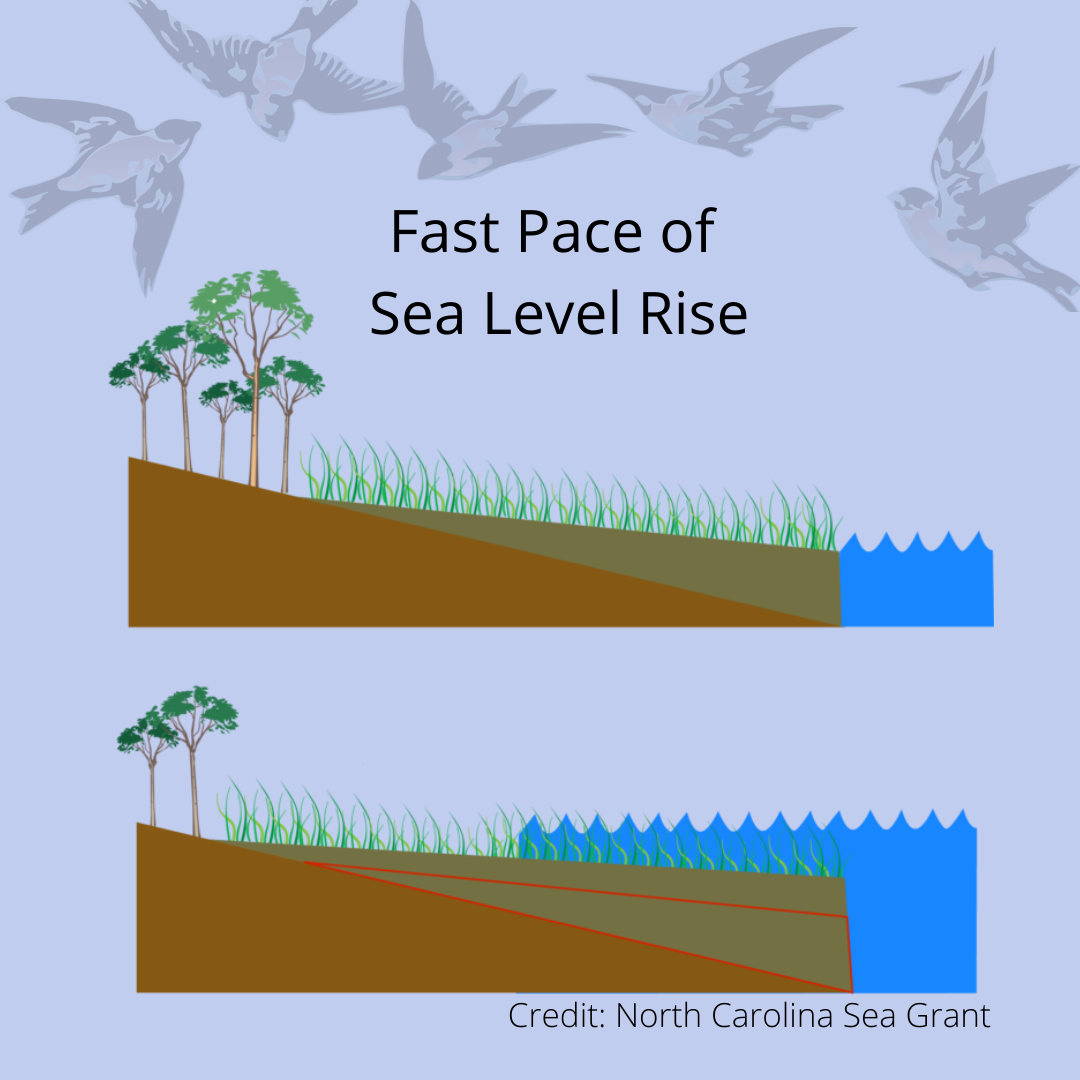
Marsh elevation rises through the natural process of deposition. Sediment & nutrients are transported by the tides and settle on the marsh. Marsh elevation is lost as the nutrients & sediment compact over time. These alternating mechanisms of building & compressing maintain the height of the marsh. This process will not be able to match the pace of sea level rise. The vegetation will be flooded by the rising waters. 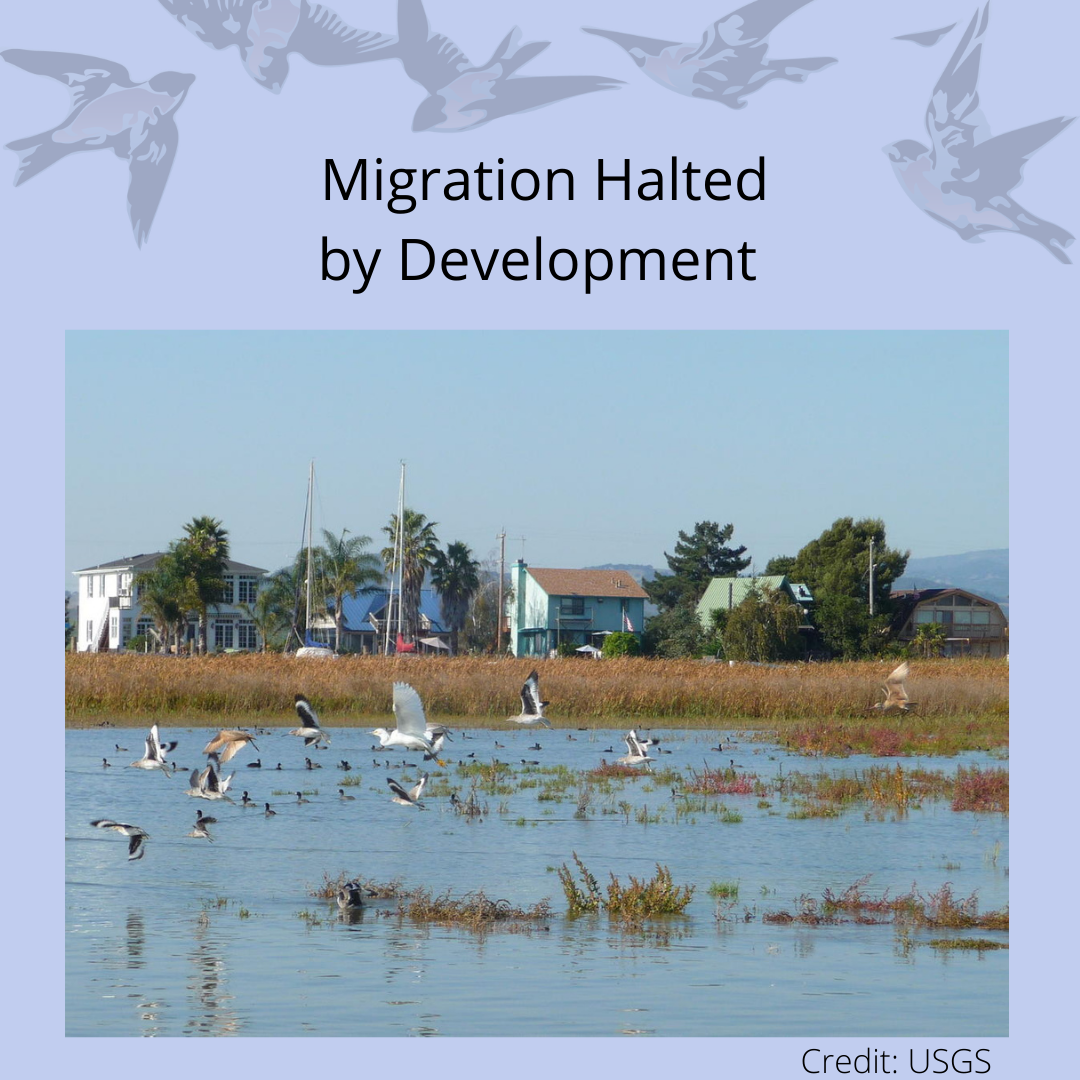
The marshes will need to move inland as the water rises. Most of the San Francisco Bay’s shoreline is developed, which inhibits the marsh from freely moving into upland areas. In many locations around the Bay, buildings and industry leave little room for the marsh to migrate with the rising water. 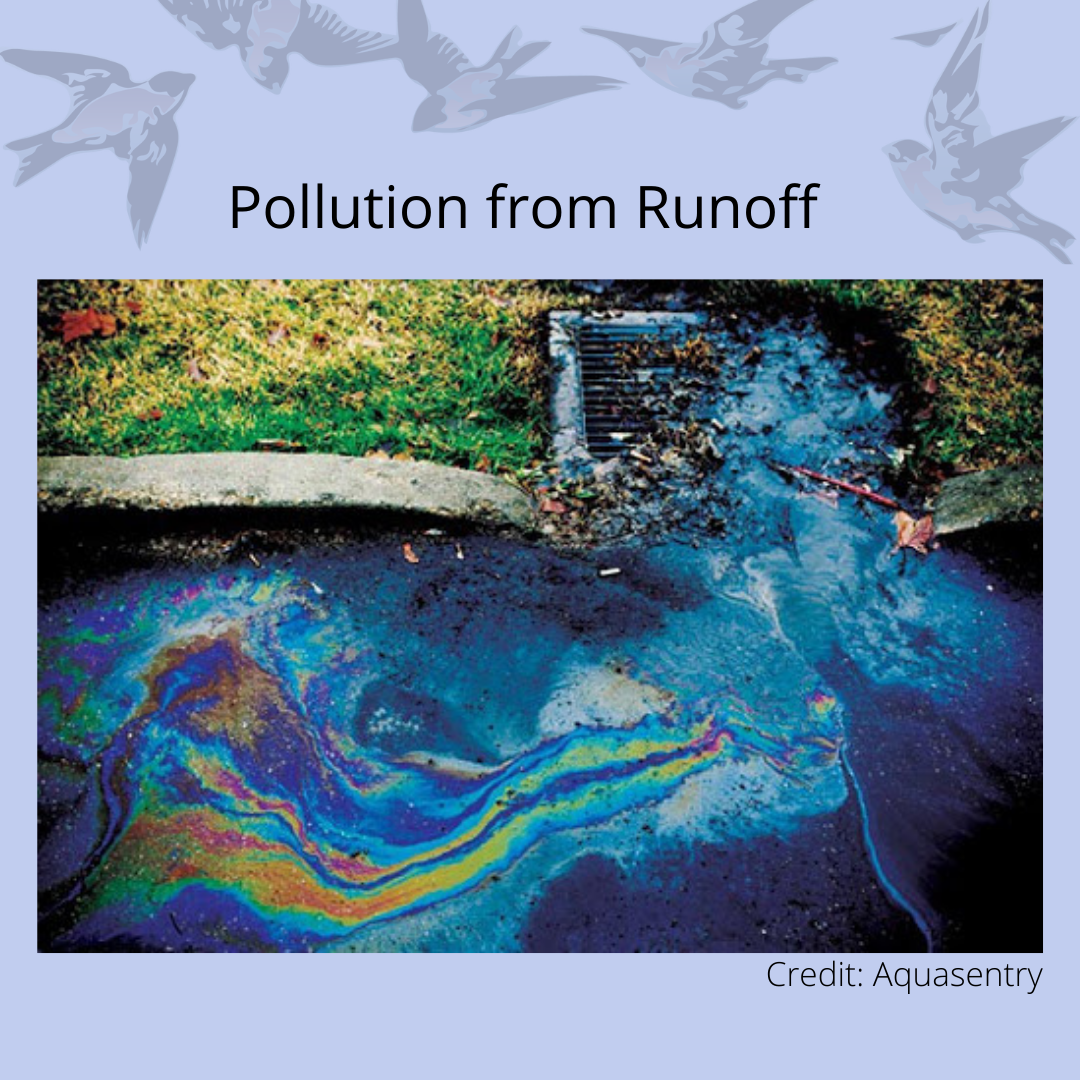
An additional threat to marshes is pollution from storm drain runoff and industrial waste. The toxins and chemicals that drain out into the bay cause stress and harm to the marsh.
Filling in low-lying areas like retired salt ponds encourages marsh growth and assists in returning the land to its natural ecosystem. 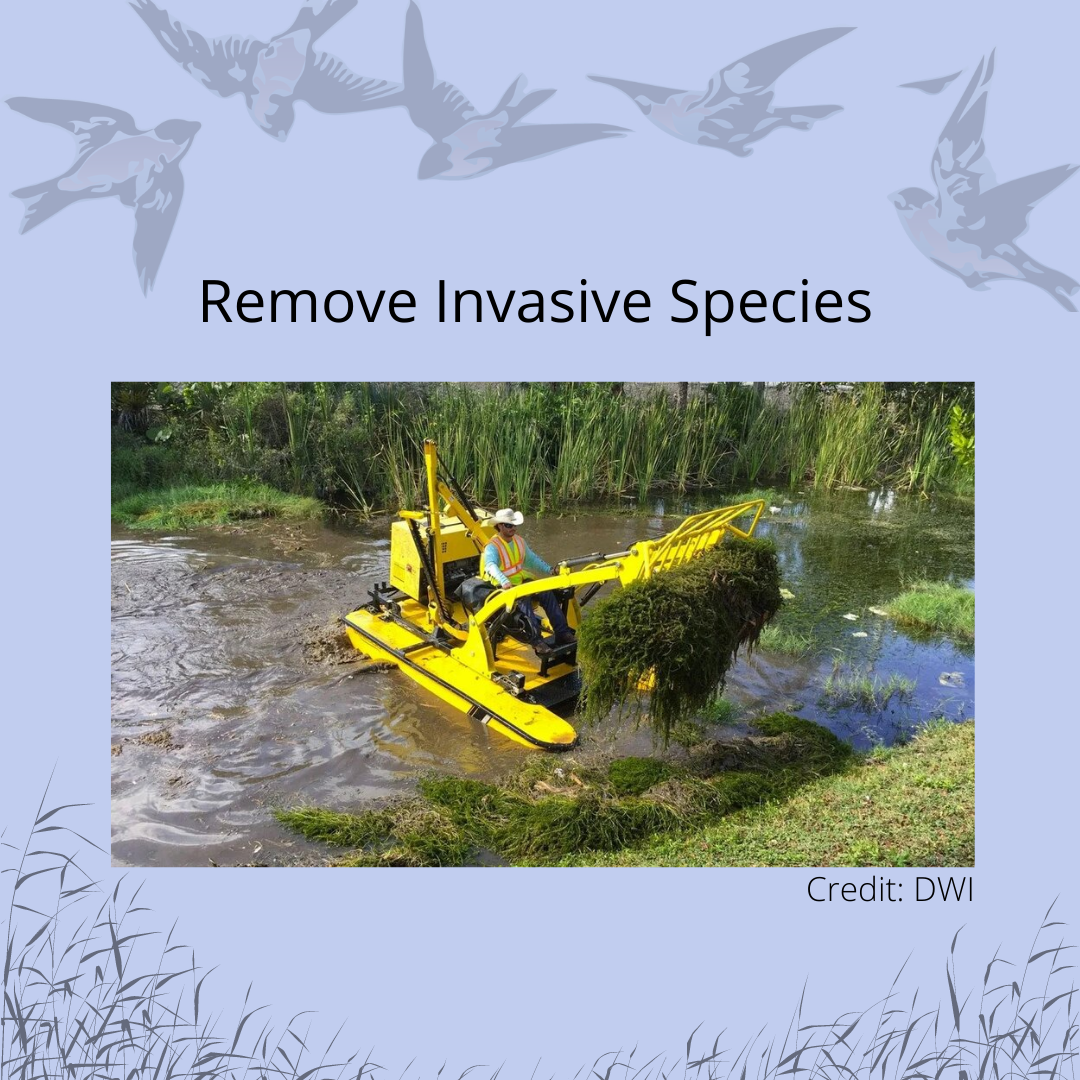
Removing invasive species that obstruct water flow greatly improves the health of the marsh. 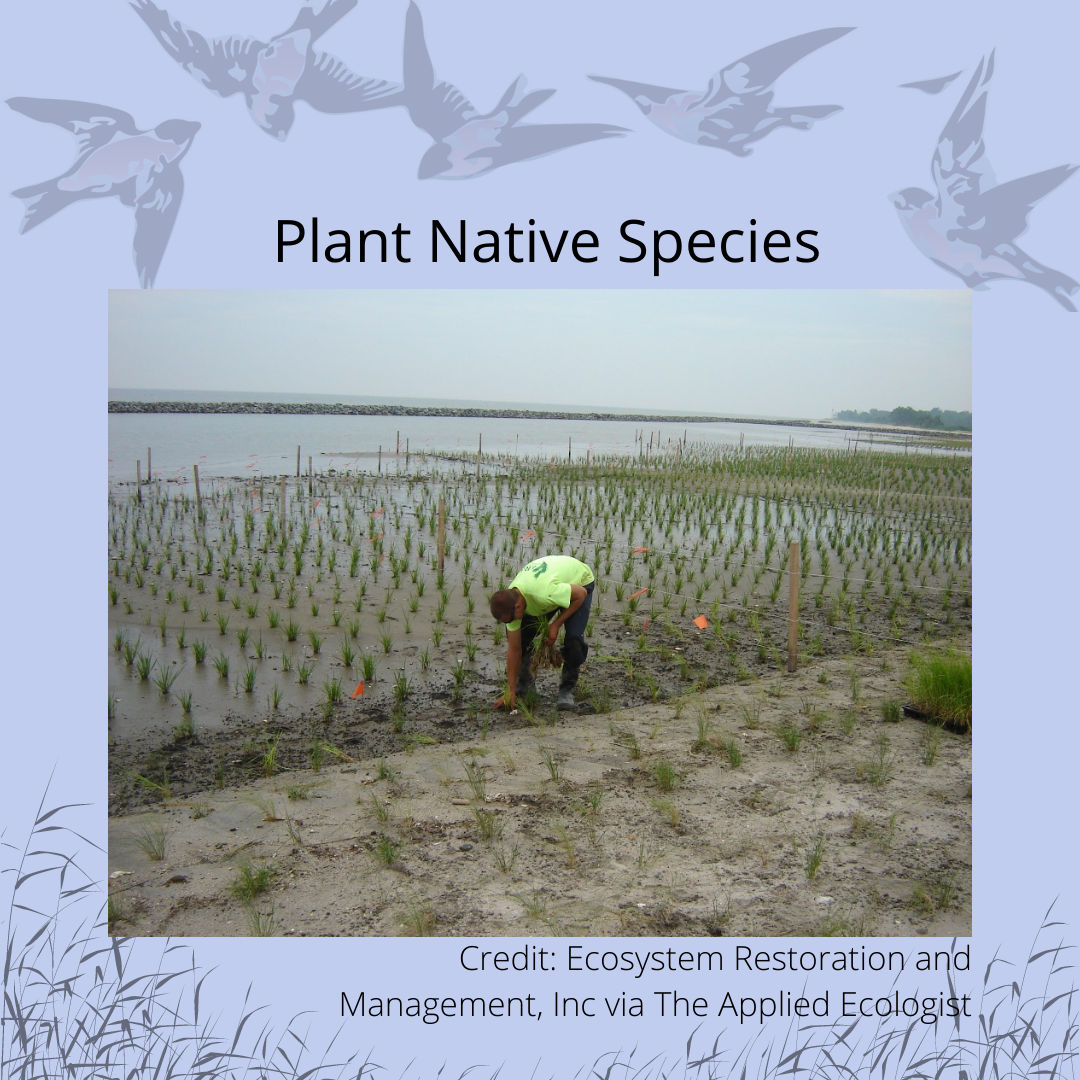
Planting native species after removing invasive ones promotes the proper function of marshes. 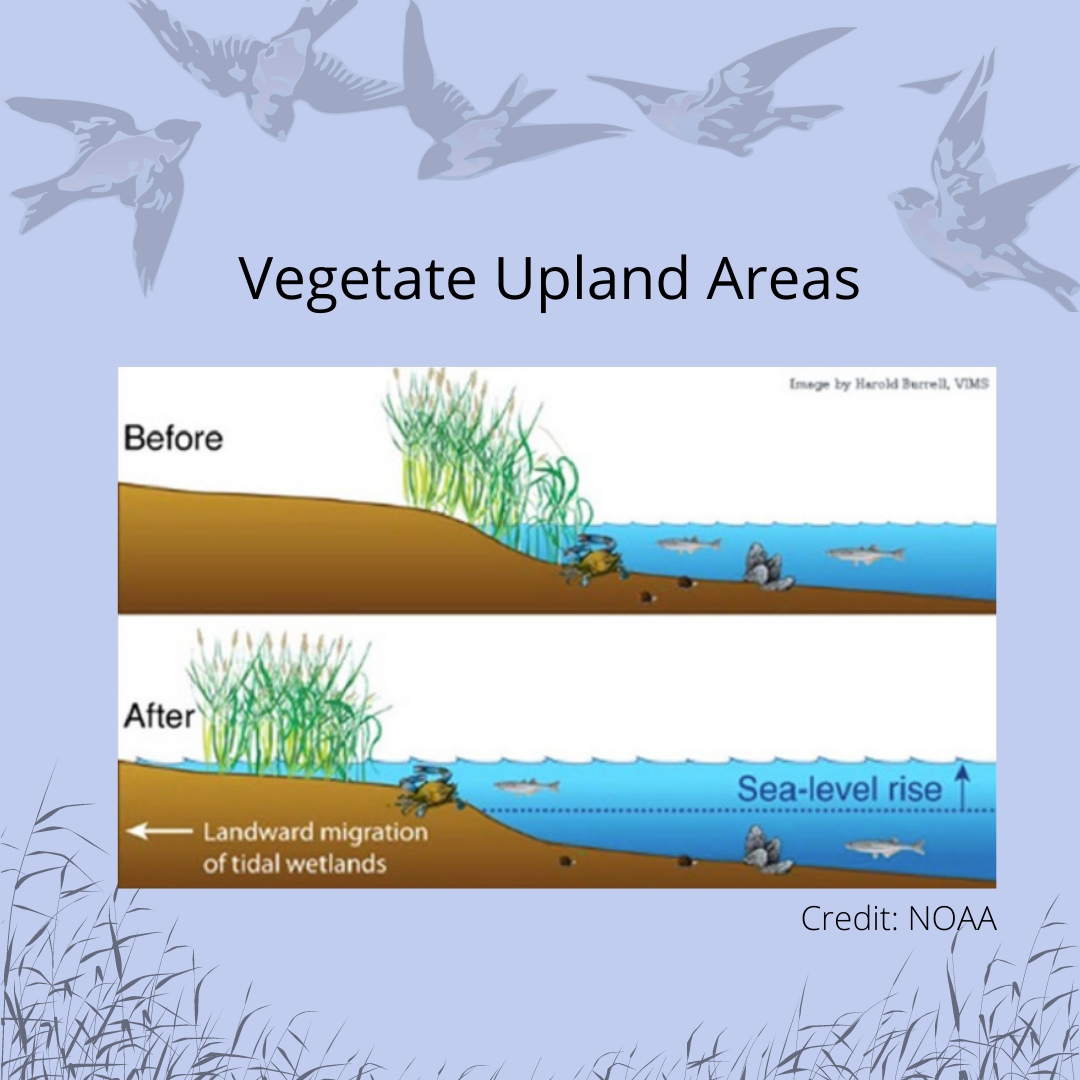
With sea level rise, marshes need to move to higher ground. This is a major challenge since marshes naturally migrate slower than the pace of the rising water. Revegetating upland areas proactively supports a marsh’s ability to cope with this rapid change. 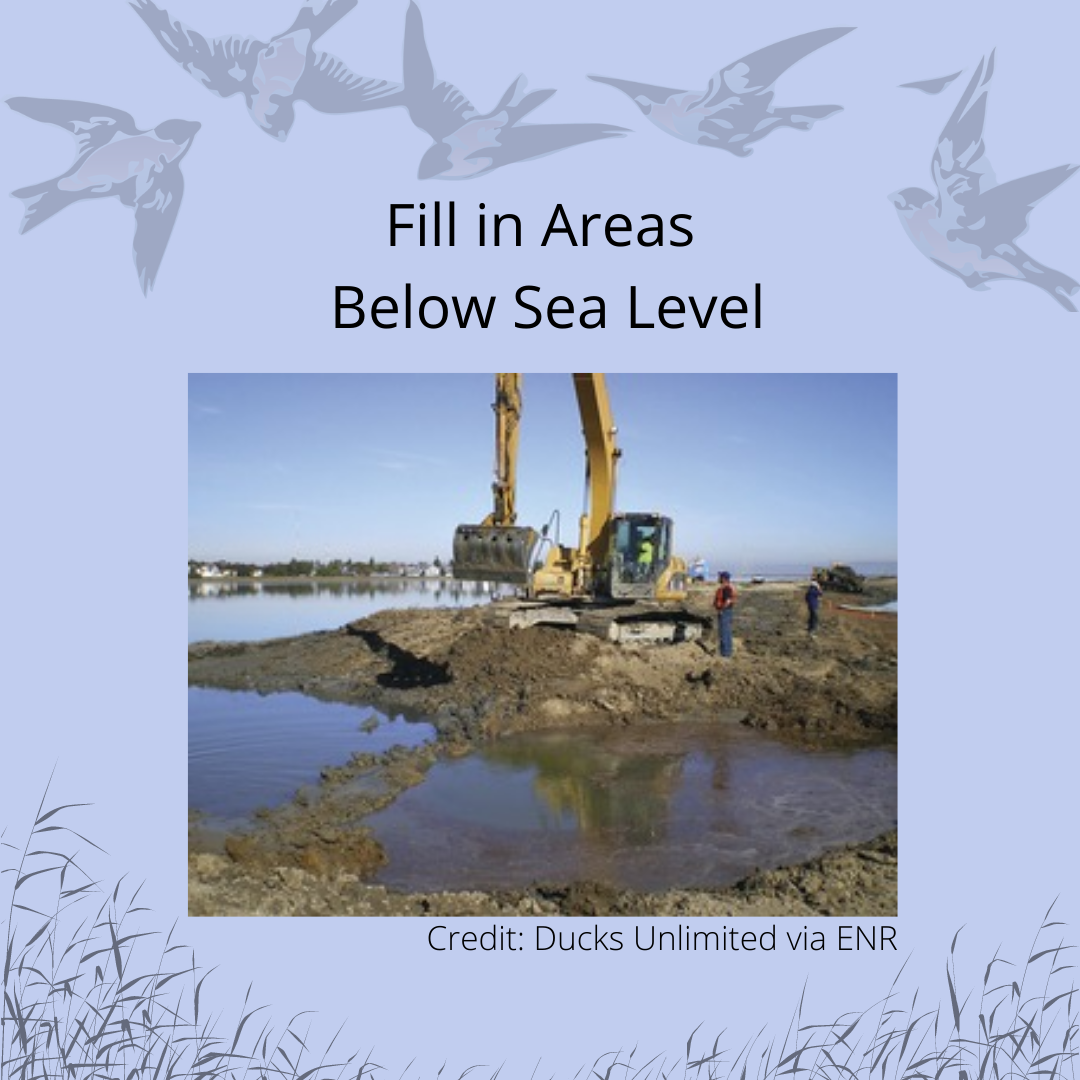
Filling in low-lying areas like retired salt ponds encourages marsh growth and assists in returning the land to its natural ecosystem.
The Sea Level Sluggers discuss salt pond restoration. The creation of salt ponds destroyed the natural ecosystem. Salt ponds lack the ability to slow the flow of rising water. A healthy marsh has the innate ability to slow the flow and reduce flooding as the water rises. 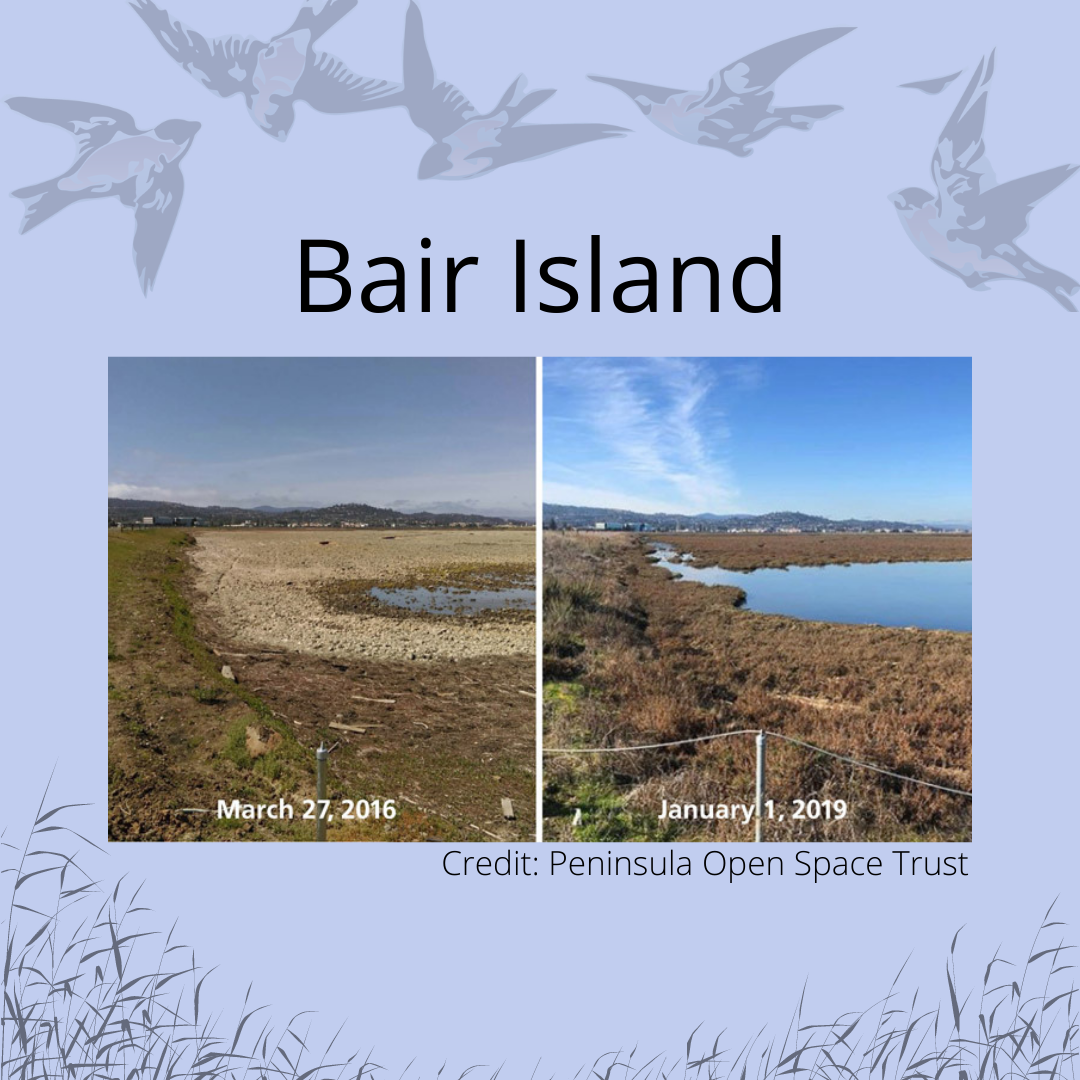
Before and after photos of Bair island in Redwood City. This salt pond was below mean tide. 1.5 million cubic yards of imported soil was needed to raise the elevation by 1-2 feet. While this strategy was successful, it is not possible to do this at every salt pond restoration site due to the amount of soil required. The land was tilled and weeded and then seeds were spread. Next the levees were breached, and the tides returned. Vegetation began to grow and animals returned to the area. 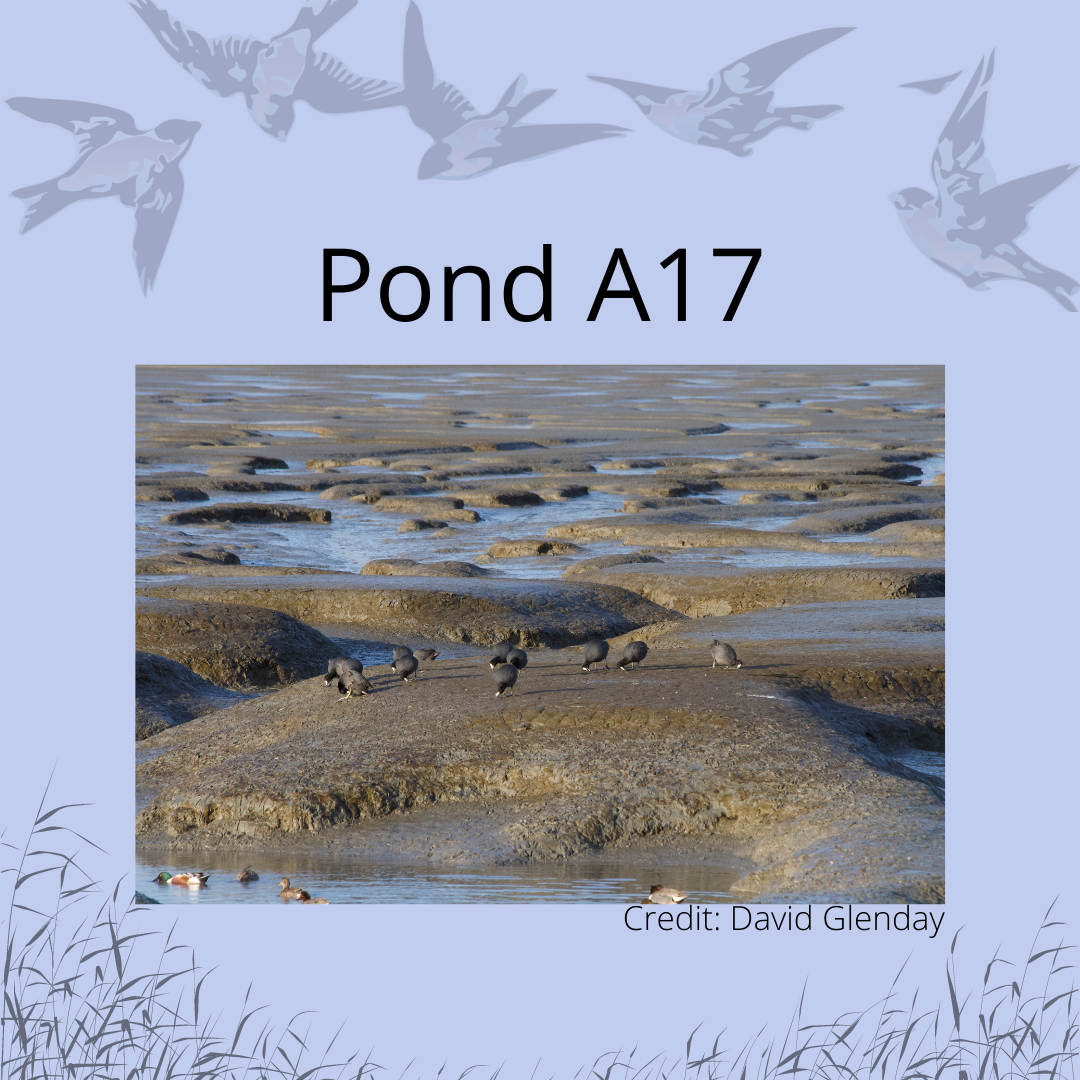
Restoration at Pond A17 in Alviso began in 2016. SFBBO is testing new techniques to reduce the high cost and resource barriers of restoration. These techniques include direct-seeding and hydro-seeding, as well new tilling and straw mulching soil prep. The findings at A17 will be incorporated into restoration plans for future sites.
The Sea Level Sluggers discuss additional benefits of healthy marshes. In addition to providing critical habitat for native species, healthy marshes provide many additional ecosystem services. 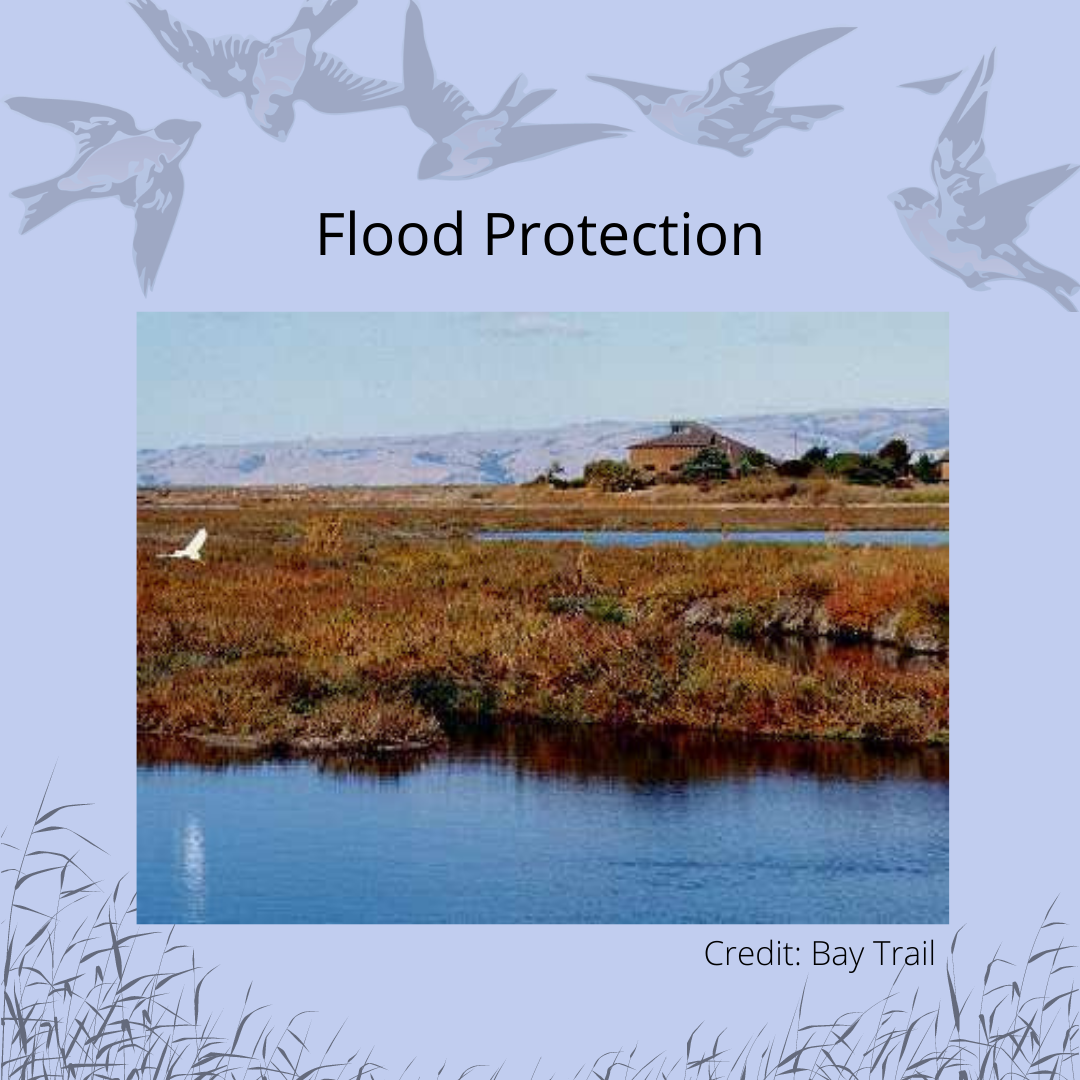
Marshes slow storm surge, which protects the shore and levees from erosion. Infrastructure on the shore of the bay will experience less severe damage from flooding if healthy marshes are present. 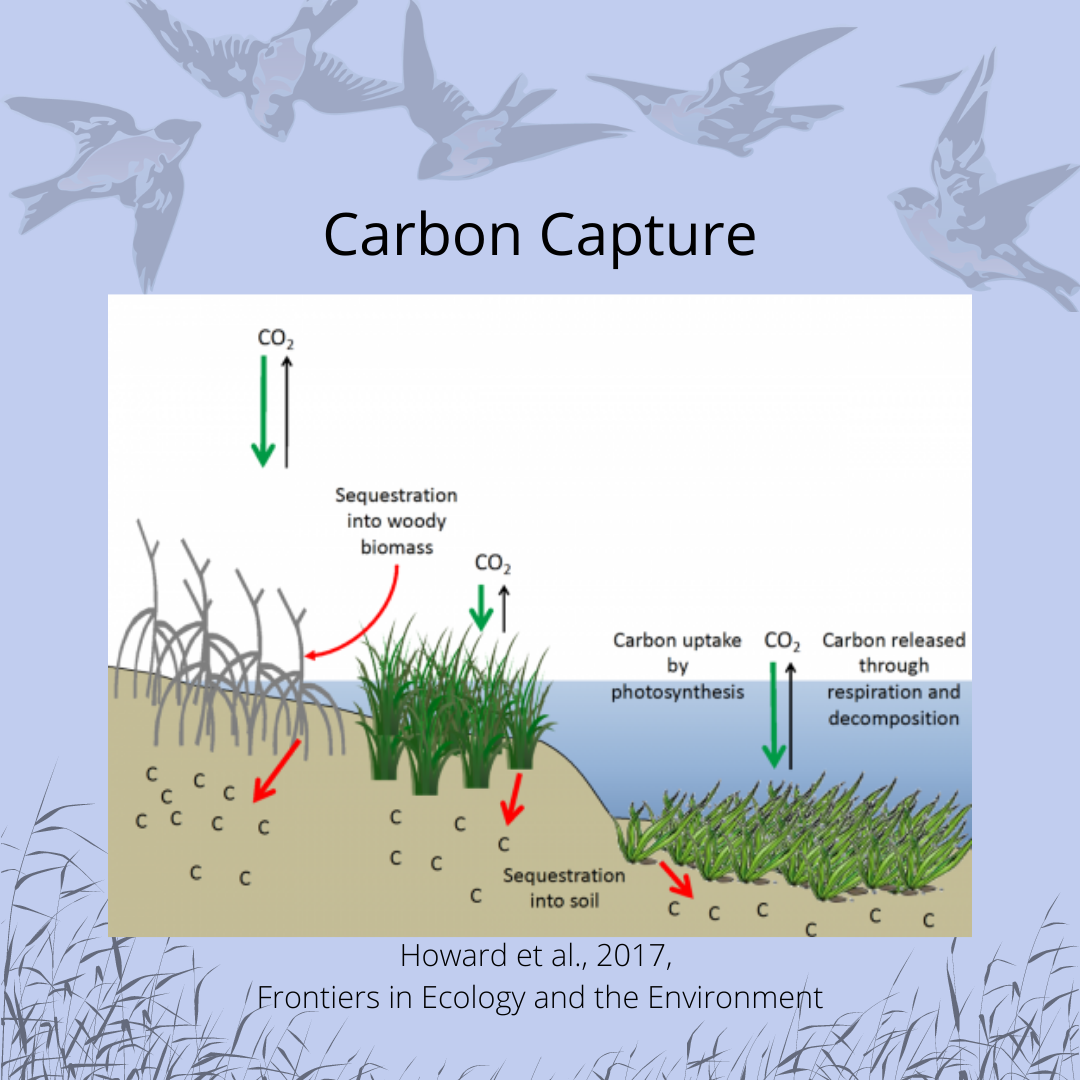
Marshes naturally capture carbon from the atmosphere. Plants uptake carbon dioxide through photosynthesis and store it in their leaves, stems and roots. 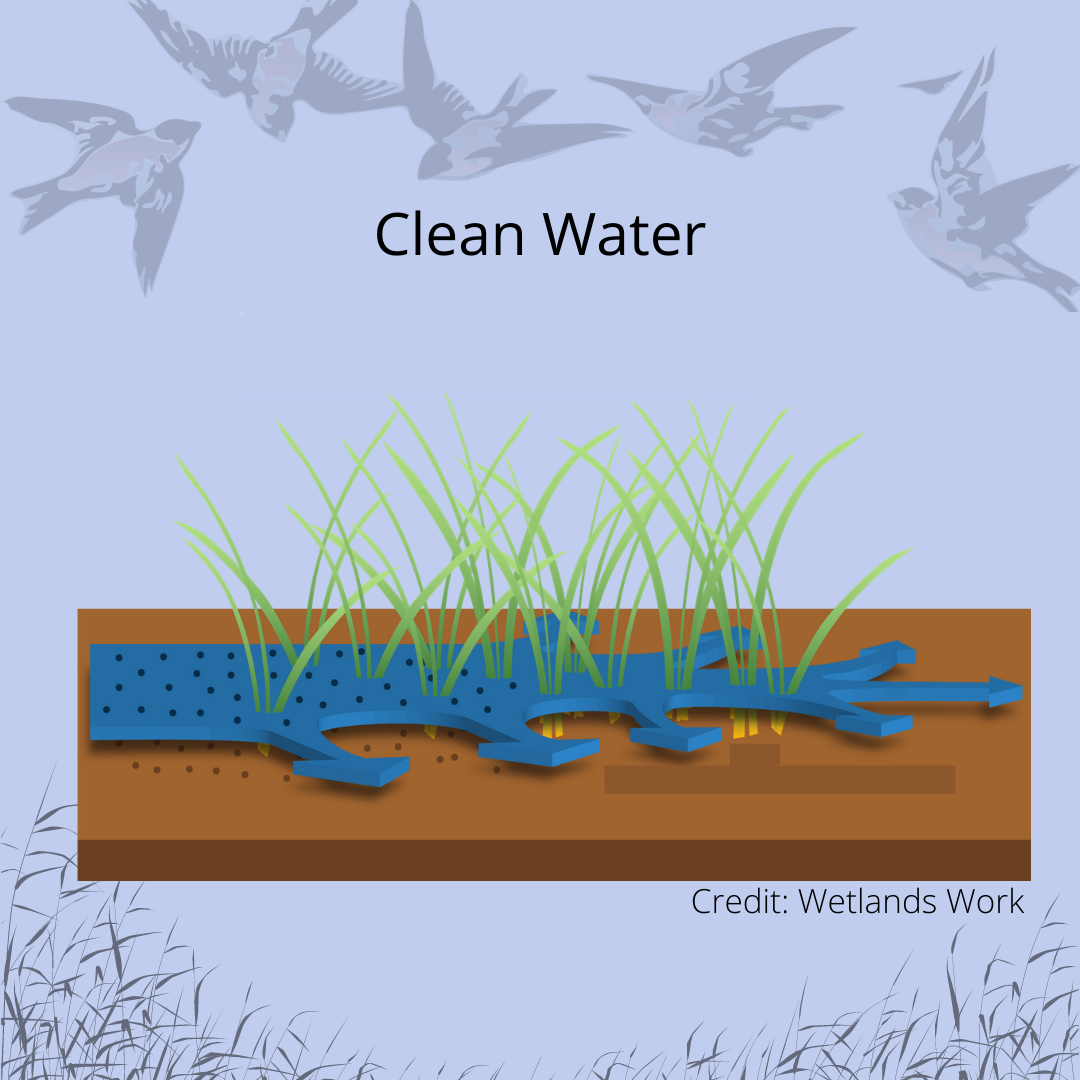
Marshes filter water coming off the land before it enters the bay. Marshes slow the flow which allows sediment and chemicals to fall to the floor of the marsh. The blacks dots represent sediment and chemicals being filtered out of the water as it flows through vegetation.
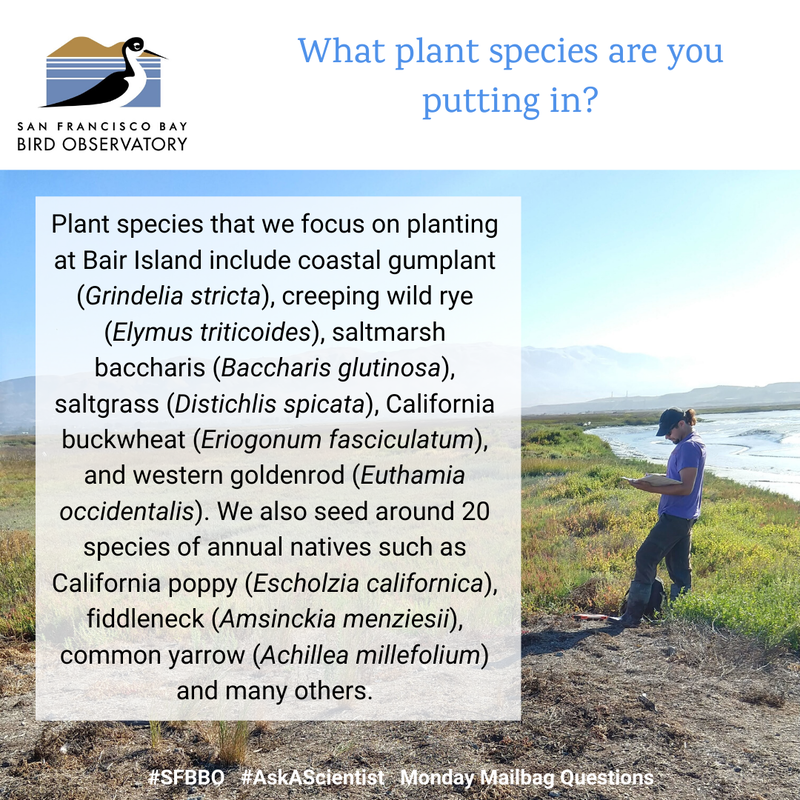
The transition zone between tidal marshes and upland areas is an ecosystem that many types of wildlife rely on, but much of it has been wiped out by urbanization in the Bay Area. SFBBO has been working to restore plant communities in these areas for nearly a decade.
Invasive plants are an ongoing problem in many of our restoration sites because they often out-compete natives and reduce biodiversity. One of our goals is to promote a plant community that is not only abundant, but diverse. To track this goal, SFBBO’s Habitats team conducts seasonal plant phenology surveys at our restoration sites.
If you’d like to stay involved, keep an eye out for our photo spots along the trail at the Bair Island Wildlife Refuge in Redwood City. You can help us track plant community progression by taking pictures at these signs and sharing with us on social media.
Thanks to SFBBO’s Habitats team for answering these questions.